
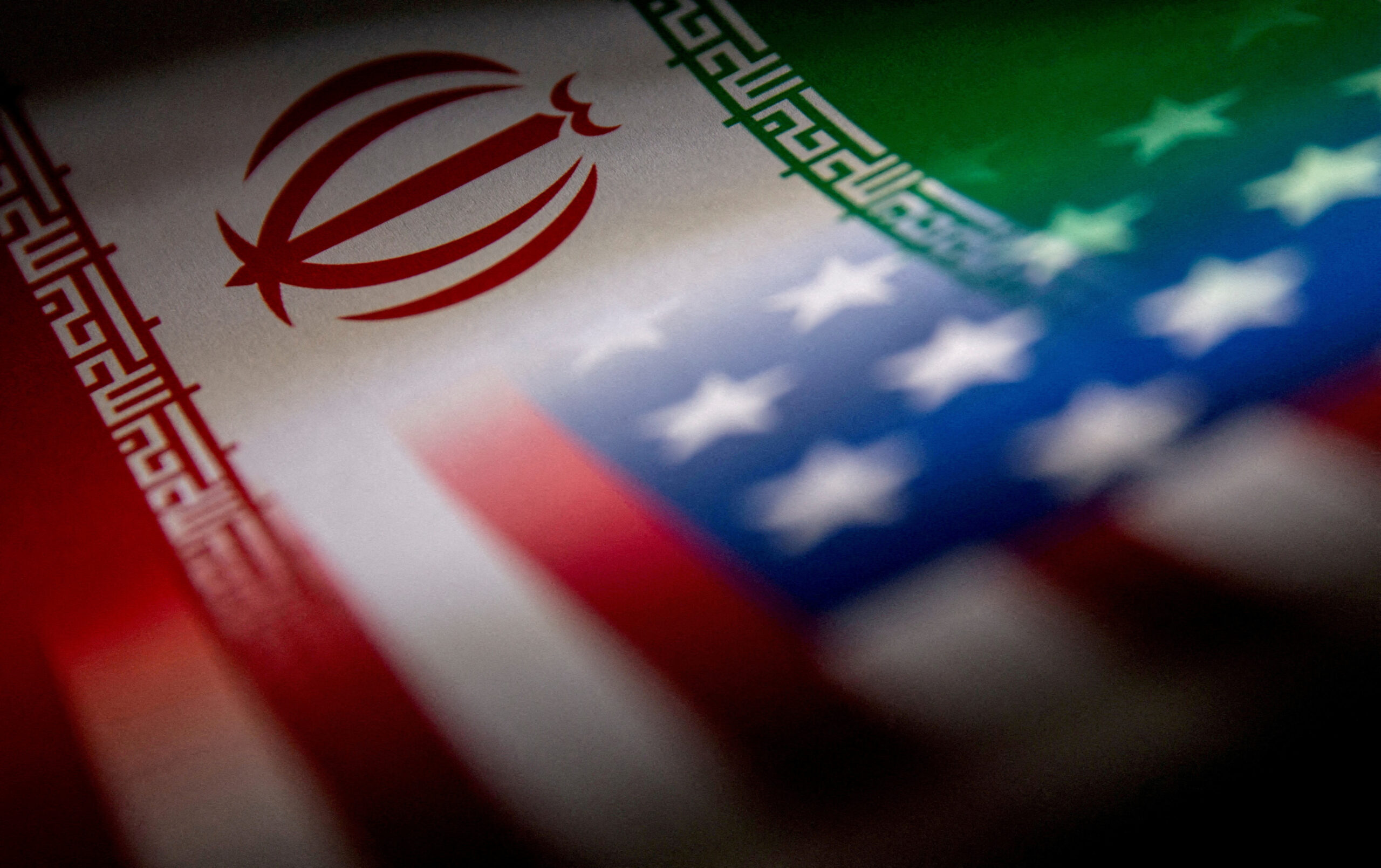
The United States and Iran have reached a preliminary framework agreement designed to end months of hostilities and restore stability to one of the world’s most strategically important waterways, marking the most significant diplomatic breakthrough between the two countries in years.
The agreement, announced following intensive negotiations involving regional and international mediators, extends an existing ceasefire arrangement for 60 days while both sides work toward a broader and more permanent settlement.
At the centre of the deal is the reopening of the Strait of Hormuz, a critical shipping corridor through which a significant portion of the world’s oil supply passes each day. Disruptions to maritime traffic in the region had raised concerns across global energy markets and contributed to increased volatility in oil prices during the conflict.
Officials familiar with the negotiations said the agreement includes measures intended to reduce military tensions in the Gulf while creating a framework for further talks on unresolved issues between Washington and Tehran.
Iranian authorities confirmed that both governments had finalized a memorandum of understanding that would ease restrictions affecting Iranian ports and shipping routes. A formal signing ceremony is expected in the coming days, although diplomats cautioned that several complex issues remain unresolved.
Among the most sensitive subjects still under discussion is Iran’s nuclear programme. While negotiators succeeded in establishing a path toward de-escalation, neither side has publicly indicated that a final compromise on nuclear-related concerns has been reached.
Analysts say the nuclear question is likely to remain the most difficult element of any comprehensive agreement.
“The ceasefire extension creates breathing room for diplomacy, but the harder conversations are still ahead,” said one regional affairs analyst. “This is an important step, but it is not yet a final settlement.”
The agreement also carries implications beyond the Gulf region. Diplomats involved in the talks said part of the objective is to reduce tensions connected to broader regional conflicts, including hostilities linked to Lebanon and other flashpoints across the Middle East.
Governments throughout Europe and the Gulf welcomed the development, viewing it as an opportunity to reduce the risk of further military escalation in a region that plays a critical role in global energy security.
Financial markets responded positively to news of the agreement. Energy traders have closely monitored developments in the Strait of Hormuz throughout the conflict, given the potential impact of any prolonged disruption on global oil supplies and shipping costs.
While the framework has been broadly welcomed, significant political challenges remain.
In Israel, government officials indicated they are closely reviewing the terms of the proposed arrangement. Prime Minister Benjamin Netanyahu is expected to seek discussions with U.S. officials regarding the agreement and its implications for regional security.
The White House, meanwhile, has emphasized that the framework is intended to reduce the likelihood of further conflict while protecting broader American strategic interests in the region.
President Donald Trump warned that any renewed military action capable of undermining the ceasefire could jeopardize the progress achieved through negotiations.
For now, both Washington and Tehran appear committed to maintaining the ceasefire while diplomatic teams continue discussions on a permanent resolution.
Whether the current framework ultimately evolves into a lasting agreement remains uncertain. However, after months of military confrontation, economic disruption, and heightened regional tensions, the announcement represents the clearest sign yet that both sides are prepared to pursue diplomacy rather than continued conflict. The coming weeks are expected to determine whether the breakthrough can be transformed into a durable peace agreement capable of reshaping relations between the two longtime adversaries.