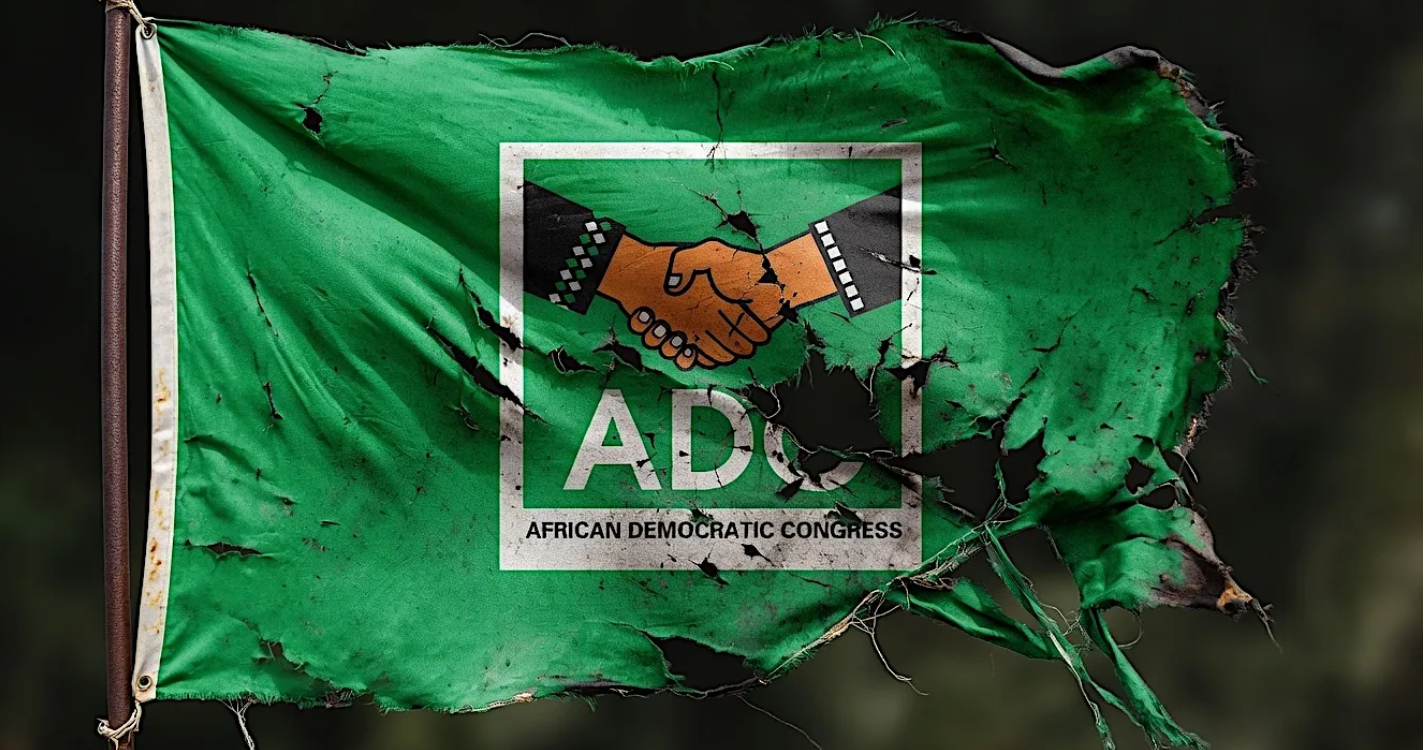
Nigeria’s Court of Appeal has temporarily halted the deregistration of the African Democratic Congress (ADC) and four other political parties, providing immediate relief to the affected organisations and setting the stage for what could become a significant legal battle over electoral regulation and party registration.
The decision came less than 24 hours after a Federal High Court in Abuja ordered the Independent National Electoral Commission (INEC) to deregister the ADC, Accord, Action Alliance (AA), Action Peoples Party (APP), and Zenith Labour Party (ZLP).
Following the ruling, both the affected political parties and INEC moved swiftly to challenge the judgment.
In a development that surprised many political observers, INEC itself approached the Court of Appeal seeking a stay of execution while the substantive appeal is heard. The electoral commission’s application aligned with similar legal steps already initiated by several of the affected parties.
The appellate court granted an interim stay, effectively preventing any action aimed at implementing the deregistration order until the legal challenge is fully considered.
The ruling means that all five parties will retain their legal status for now, allowing them to continue operating while the appeal process unfolds.
Legal analysts say the Court of Appeal’s intervention is not a determination on the merits of the case but rather a procedural safeguard designed to preserve the status quo until the court can review the broader constitutional questions raised by the dispute.
“The stay simply prevents irreversible action while the appellate court considers the arguments before it,” one legal expert explained. “The underlying issues remain unresolved.”
The dispute centres on the interpretation of constitutional provisions governing political party registration and the powers available to INEC regarding deregistration.
The earlier Federal High Court judgment held that the affected parties had failed to satisfy electoral performance requirements outlined in the Constitution and therefore should lose their registered status.
That ruling immediately triggered political debate across the country, particularly because of the growing relevance of some of the parties involved.
The ADC, in particular, has attracted increased national attention amid ongoing discussions about opposition cooperation ahead of the 2027 general election.
Political stakeholders have argued that the outcome of the appeal could influence broader conversations about political participation, electoral competition, and the structure of Nigeria’s multi-party system.
The case could also have more immediate electoral implications.
Among those closely watching developments is Osun State Governor Ademola Adeleke, who is reportedly seeking re-election under the Accord platform ahead of the state’s forthcoming governorship contest.
Political observers note that uncertainty surrounding the legal status of any registered political party can have significant consequences for candidates, campaign planning, and voter mobilisation efforts.
Beyond the immediate political implications, the case is expected to provide important judicial clarification regarding the relationship between the courts and INEC in matters relating to party regulation.
Election law specialists say the final appellate ruling could become a significant reference point for future disputes involving party registration and deregistration.
For now, the Court of Appeal’s intervention has paused implementation of one of the most consequential political judgments in recent months.
As legal teams prepare their arguments and political actors assess the implications, attention is shifting toward the substantive appeal proceedings that will ultimately determine whether the affected parties remain registered or whether the original Federal High Court judgment will be upheld.
The outcome is expected to shape not only the future of the parties directly involved but also broader debates about electoral competition and democratic participation in Nigeria’s evolving political landscape.