An international counter-terrorism operation involving Nigeria has led to the identification of 126 suspected foreign terrorist fighters through the use of artificial intelligence and facial recognition technology.
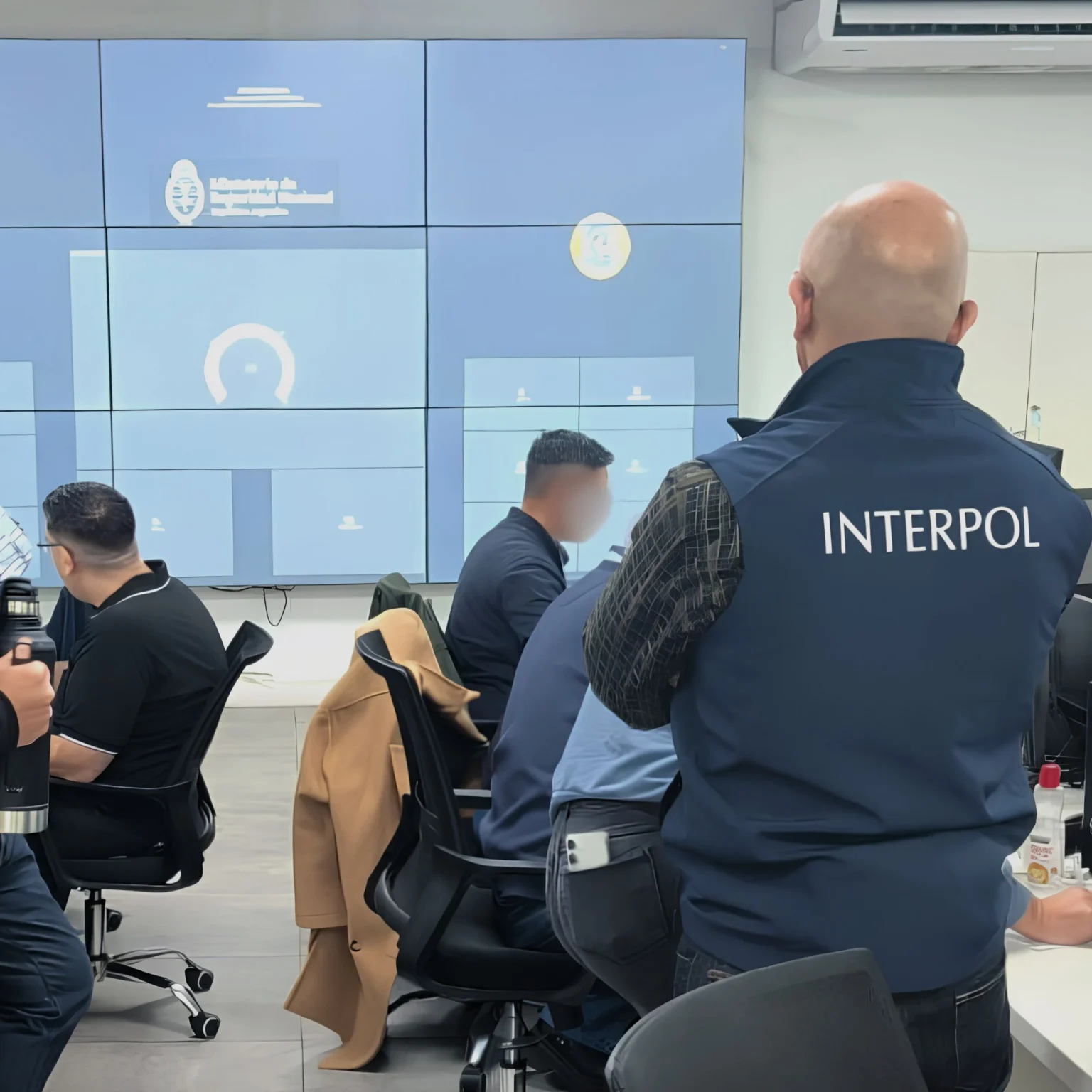
The operation, known as Operation Shams II, was coordinated by the International Criminal Police Organisation (INTERPOL) and took place in Tunis, Tunisia, from June 1 to 5, 2026. It brought together 28 specialised officers and experts from 11 countries, including Nigeria, Ghana, Côte d’Ivoire, Iraq, Kenya, Malaysia, the Philippines, Qatar, Tajikistan, Tunisia and Uzbekistan.
During the operation, law enforcement personnel extracted 108,076 facial images from online visual materials linked to jihadist groups.
Artificial intelligence tools and automated scripts were subsequently used to assist investigators with the collection, sorting, duplication checks and quality assessment of the images. The process reduced the material to 6,362 unique, high-quality facial images, which were then examined using INTERPOL’s facial recognition system.
INTERPOL said the AI-generated results were not accepted without human assessment. Trained officers and analysts reviewed and verified the findings in accordance with the organisation’s rules for processing data.
Additional intelligence, including hundreds of terrorism-related images, was also provided by INTERPOL’s National Central Bureau in Baghdad, Iraq.
According to INTERPOL, the operation has so far resulted in the identification of 126 foreign terrorist fighters.
The organisation said the facial matches could provide investigators with additional information about the suspects, including possible locations and social connections. The information is being incorporated into INTERPOL databases to assist participating countries in identifying, monitoring and disrupting the cross-border activities of terrorism suspects.
INTERPOL further disclosed that investigative leads generated during the operation were already being used in judicial proceedings in some participating countries, including a case involving two suspected foreign terrorist fighters who are currently detained.
The organisation noted that thousands of additional images remain to be examined, meaning the operation could produce more investigative leads.
Beyond facial recognition, investigators also used cryptocurrency-tracing technology to examine possible terrorist financing. INTERPOL said three urgent requests were made to a virtual asset service provider for customer information as part of efforts to disrupt suspected illicit funding channels.
The participating countries also held discussions with representatives of the online gaming industry over concerns surrounding youth radicalisation in digital environments.
INTERPOL’s Director of Counter-Terrorism, María Carmen Muñoz González, said the operation highlighted the role of international cooperation and responsible AI-assisted analysis in tackling criminal and terrorist networks.
Operation Shams II was conducted under the CT TECH+ Project, which is funded by the European Union’s Foreign Policy Instruments and supported by the United Nations Office of Counter-Terrorism.