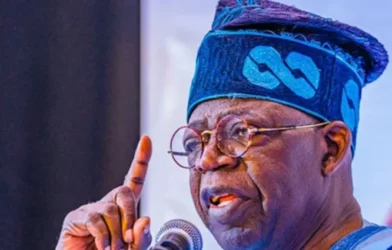
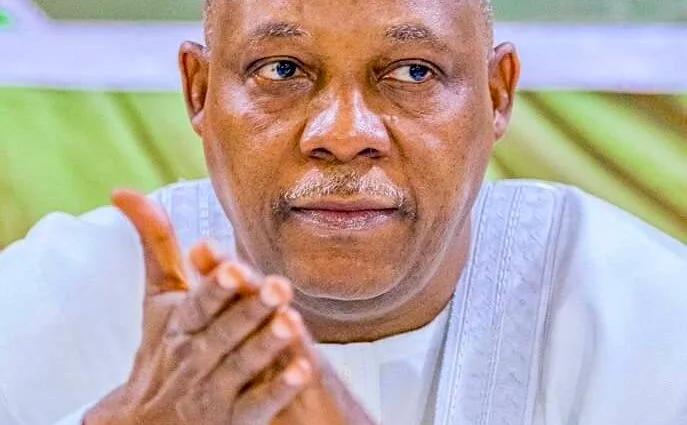
Vice President Kashim Shettima has urged African countries to reduce the export of raw mineral resources and focus on local processing and industrial development to create jobs and retain more value within the continent.
Shettima made the call in New York during the Third High-Level Roundtable of the Africa Minerals Strategy Group (AMSG), held on the sidelines of the 81st United Nations General Assembly.
The meeting, themed “From Resources to Wealth: Continental Cooperation for Mineral Value Addition,” brought together African governments, investors and stakeholders in the mining sector.
The Vice President said Africa’s mineral wealth should be measured not only by the volume of resources extracted but also by the jobs, industries and economic opportunities created for its people.
He urged African countries to strengthen cooperation in mineral governance, process resources locally and develop industries around minerals that are increasingly important to the global economy.
Shettima also called for a shift away from a system where Africa exports raw materials and subsequently imports finished products at significantly higher prices.
He said stronger continental cooperation could improve Africa’s bargaining position and enable countries to capture a larger share of the value generated across global supply chains.
The Vice President urged members of the AMSG to develop bankable projects capable of attracting investment into mineral processing, manufacturing and other value-adding activities.
According to him, such investments should generate employment, support industrialisation and ensure communities where minerals are extracted benefit from the resources.
The Minister of Solid Minerals Development and Chairman of the AMSG, Dele Alake, also called for reforms to integrate artisanal miners into regulated mining systems.
Alake said a distinction should be made between artisanal miners seeking legitimate livelihoods and illegal operators involved in criminal activities.
He advocated a formal regulatory framework that would allow artisanal miners to operate legally and safely while giving them access to training, equipment, finance and government oversight.
The minister also expressed concern over recurring mine-site accidents and collapses across Africa, saying stronger safety standards and regulatory supervision were necessary to prevent avoidable deaths.
He added that formalising artisanal mining could improve mineral traceability and help reduce smuggling and environmental damage.
Kenya’s Cabinet Secretary for Mining, Blue Economy and Maritime Affairs, Hassan Ali Joho, called for greater cooperation among African countries in sharing geological and mineral data.
The AMSG, which comprises more than 30 African countries, is seeking stronger cooperation on mineral governance, local processing and Africa’s participation in global mineral supply chains.
The discussions come amid growing efforts by African countries to attract investment into local mineral processing and develop industries that can create more economic value from the continent’s natural resources.