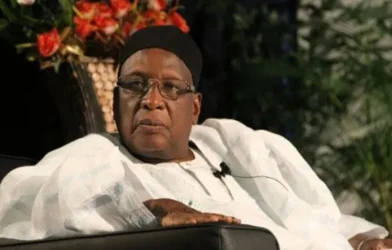

President Bola Ahmed Tinubu has directed the Minister of Finance and Coordinating Minister of the Economy, Taiwo Oyedele, to provide Nigerians with a detailed account of the Federal Government’s economic reforms and the progress recorded since 2023.
The directive comes as the administration moves to present a Reforms Scorecard outlining the achievements, costs and challenges associated with its economic policies.
Tinubu said the scorecard was designed to give Nigerians a clearer understanding of the difficult decisions taken by his administration, the gains recorded so far and the economic problems the government believes it prevented.
The President said that when the reforms began in 2023, his administration understood that the measures would create difficulties in the short term but argued that they were necessary to build a stronger and more sustainable economy.
He therefore tasked Oyedele with explaining the figures behind the reforms, the policy choices made by the government, the progress achieved and the challenges that remain.
The Finance Minister has separately argued that the reforms helped Nigeria avoid a potentially severe economic crisis.
According to Oyedele, the government’s decision to remove the petrol subsidy and overhaul the foreign-exchange system were among the major measures that helped stabilise the country’s finances.
He said the reforms contributed to improved public finances, stronger foreign-exchange reserves and increased investor interest in Nigeria.
Oyedele also said the subsidy and foreign-exchange reforms generated savings of about N15.8 trillion between June 2023 and December 2025, according to figures reported in the Reuters interview.
The reforms, however, have come with significant pressure on households.
The removal of the petrol subsidy and the depreciation of the naira contributed to higher living costs and reduced purchasing power for many Nigerians, even as the government maintained that the policies were necessary to restore economic stability.
The government has continued to defend the reforms on the grounds that they were intended to correct long-standing weaknesses in Nigeria’s fiscal and monetary system.
Tinubu said the new scorecard would allow citizens to assess both the benefits and sacrifices associated with the administration’s policies.
He stressed the importance of transparency, saying Nigerians deserved to understand not only what the government had achieved but also the difficulties that remained.
The administration’s economic programme has received support from international investors and lenders, particularly because of measures aimed at improving fiscal discipline and correcting distortions in the foreign-exchange market.
At the same time, the government faces pressure to ensure that macroeconomic improvements translate into better living conditions for ordinary Nigerians.
Earlier Reuters reporting had described Nigeria as entering a consolidation phase after two years of reforms, with the government’s focus shifting towards sustaining growth, improving revenue collection and introducing measures aimed at making economic gains more inclusive.
The latest directive from Tinubu is therefore expected to place greater emphasis on communicating the measurable results of the reforms to the public.
Oyedele is expected to provide details of the government’s economic performance, explain the decisions behind the reforms and outline the work still required to strengthen the Nigerian economy.
The government hopes the Reforms Scorecard will help Nigerians better understand the economic transition and assess whether the policies are delivering the stronger and more stable economy promised by the administration.