By Crowei Gibson-Dick
August 16, 2026
Apple is facing pressure from Washington not to buy memory chips from Chinese suppliers, even as a global shortage is making those components harder and more expensive to source.
U.S. Commerce Secretary Howard Lutnick said the Trump administration does not support Apple buying memory from Chinese companies, according to The Wall Street Journal. The warning comes as Apple tests memory chips from Chinese manufacturers for possible use in devices sold in China.
The timing puts Apple in a difficult spot. The company needs reliable memory supplies, but Washington wants major U.S. technology companies to reduce their reliance on Chinese semiconductor manufacturers.
Washington Pressures Apple
The pressure is part of a wider U.S. effort to limit China’s role in strategically important technology.
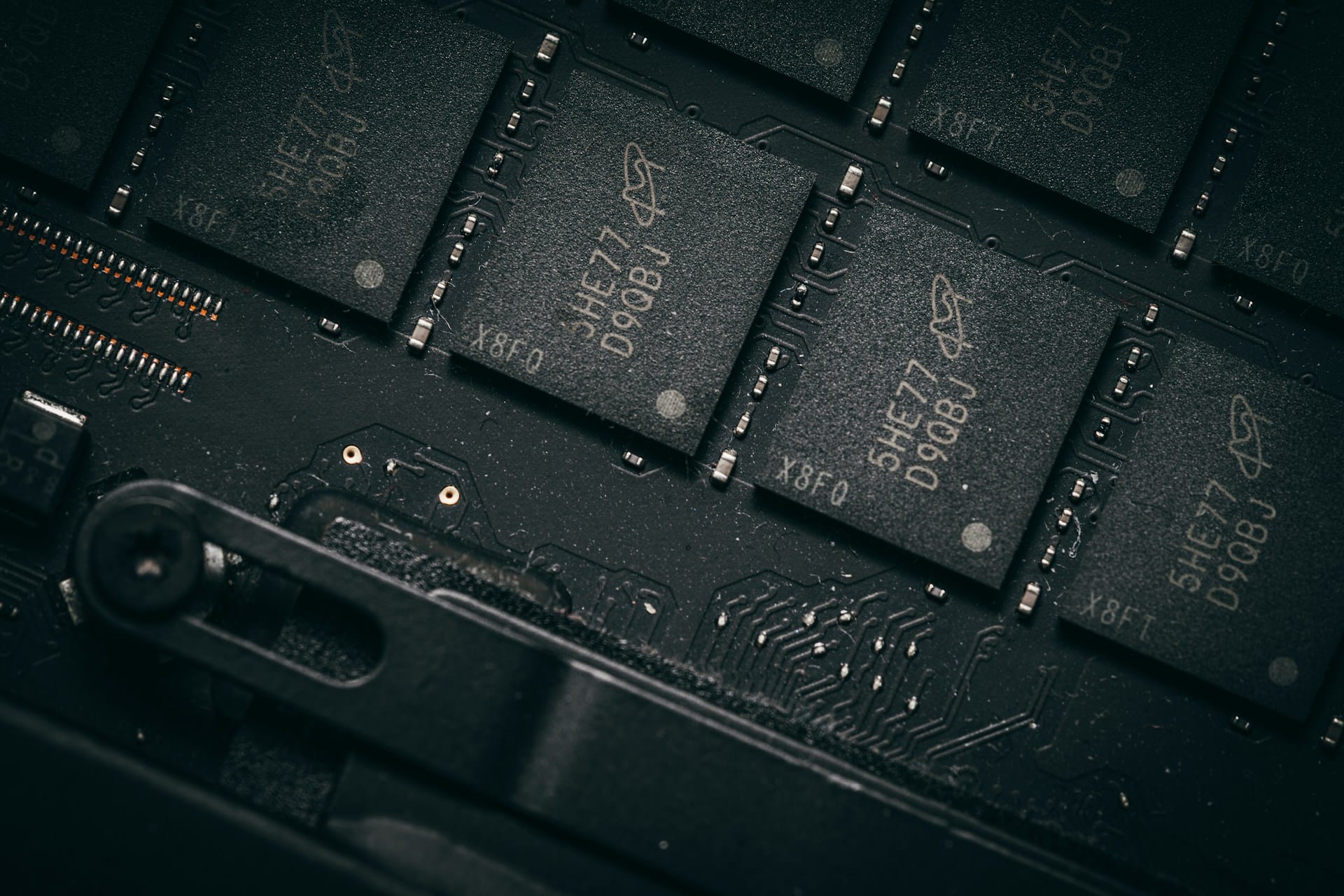
Apple has reportedly been testing chips from ChangXin Memory Technologies, or CXMT, and Yangtze Memory Technologies. The company has not announced a deal with either supplier, but the reported testing has already drawn attention from U.S. officials and lawmakers.
Micron, one of the world’s major memory-chip manufacturers, has also pushed Washington to block Apple from using Chinese memory, according to earlier reporting.
For now, the administration’s position is a warning rather than a new rule that completely prevents Apple from buying Chinese memory. Some off-the-shelf Chinese components can still be purchased, according to The Next Web.
Memory Shortage Adds Pressure
Apple’s interest in Chinese memory comes as demand for DRAM and other memory products rises sharply, partly because AI data centres are consuming huge amounts of supply.
The shortage is already affecting the wider electronics industry. Apple has warned about higher memory costs and tighter supply as it heads into an important period for iPhone and Mac sales.
That makes the dispute about more than politics. Apple is looking for ways to protect its supply chain at a time when memory is becoming one of the industry’s biggest cost pressures.
Whether the company ultimately uses Chinese memory on a larger scale remains unclear. But the standoff shows the challenge Apple faces as it tries to keep its global supply chain flexible while navigating the growing technology divide between the U.S. and China.