

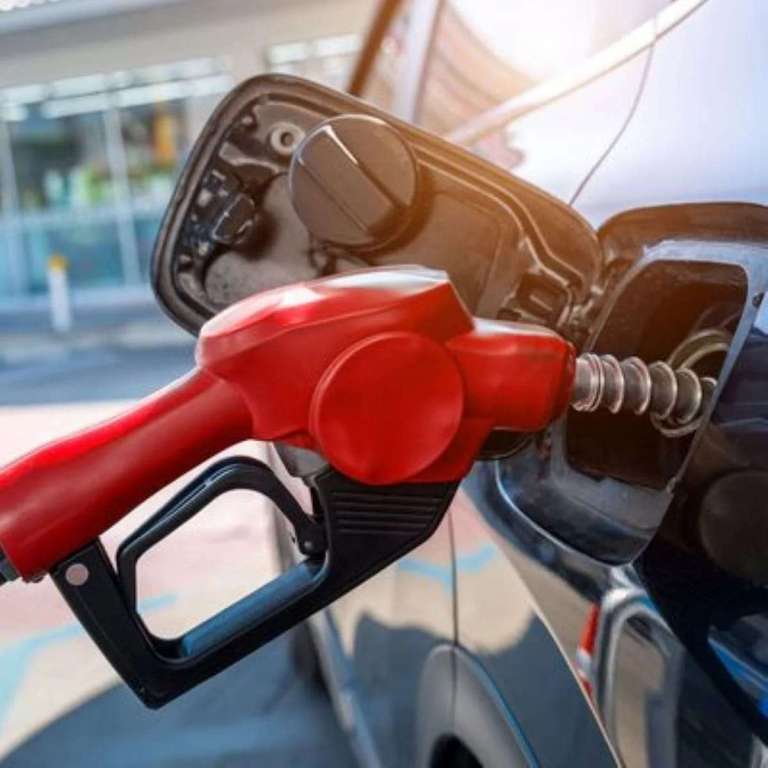
For many Nigerian motorists, buying petrol has become a significant expense, making it increasingly important to ensure that every litre paid for actually reaches the vehicle’s tank.
However, motorists can sometimes receive less fuel than they expect because of dishonest practices at filling stations. While poor vehicle maintenance and mechanical problems can also contribute to unusually high fuel consumption, consumers have been advised to remain vigilant when buying petrol.
Regulatory agencies, including the Federal Competition and Consumer Protection Commission (FCCPC), have encouraged consumers to pay attention to transactions at retail outlets and report suspicious practices.
Here are four practices motorists should watch out for:
1. Failure to reset the pump to zero
One of the simplest ways a customer can be shortchanged is when the pump is not properly reset before a new transaction begins.
An attendant may engage the motorist in conversation while preparing the nozzle, creating a distraction that makes it difficult for the customer to check the display.
If the previous transaction has not been cleared, the new sale could begin from the earlier reading. For example, if another customer bought ₦3,000 worth of petrol and the pump remains on that figure, a new transaction could continue from there.
The customer may then pay the full amount requested without realising that part of the displayed value relates to the previous sale.
Motorists should therefore make it a habit to check the pump and confirm that the display reads zero before fuelling starts.
2. Repeatedly squeezing the nozzle trigger
Another alleged practice involves repeatedly pressing and releasing the nozzle trigger instead of allowing fuel to flow continuously.
The nozzle is designed to regulate fuel flow, but manipulating the trigger can interrupt the stream repeatedly. This may make it difficult for a customer to accurately judge the quantity being dispensed.
Motorists who notice unusual handling of the nozzle should pay close attention to both the pump display and the fuelling process.
3. Allowing the hose to remain folded or sagging
The position of the dispensing hose can also matter during a transaction.
A long hose may retain some fuel when it is left heavily curved, folded or hanging below the level of the vehicle’s fuel inlet. If the attendant immediately returns the nozzle to the dispenser after the pump stops, some fuel may remain in the hose rather than entering the vehicle.
Motorists can reduce the risk of this happening by observing the hose throughout the transaction and ensuring that the attendant handles it properly before ending the sale.
4. Using a split transaction to confuse the customer
Another method reportedly involves deliberately entering an amount lower than what the customer requested.
For instance, a motorist may ask for ₦20,000 worth of petrol, but the attendant stops the first transaction at ₦10,000 and claims to have misunderstood the instruction.
The attendant may then propose completing the remaining amount in a second transaction. In the confusion created by the interruption, the customer may lose track of the figures and fail to notice whether the full quantity has actually been dispensed.
Motorists making large purchases should therefore monitor the amount and litre readings throughout the entire transaction rather than relying solely on the attendant’s explanation.
How motorists can protect themselves
The simplest precaution is to remain attentive from the beginning to the end of a fuelling transaction.
Before petrol is dispensed, check that the pump has returned to zero. Watch the amount and litre readings as the transaction progresses, and confirm the final figures before leaving the station.
If the figures do not correspond with the amount requested, motorists should ask the attendant or station manager to clarify the discrepancy immediately.
Consumers who repeatedly encounter questionable practices at a particular outlet may also consider using another filling station and reporting suspected under-dispensing to the appropriate authorities.
With petrol prices taking a substantial share of household and business expenses, careful monitoring at the pump can help motorists ensure they receive the value they paid for.


