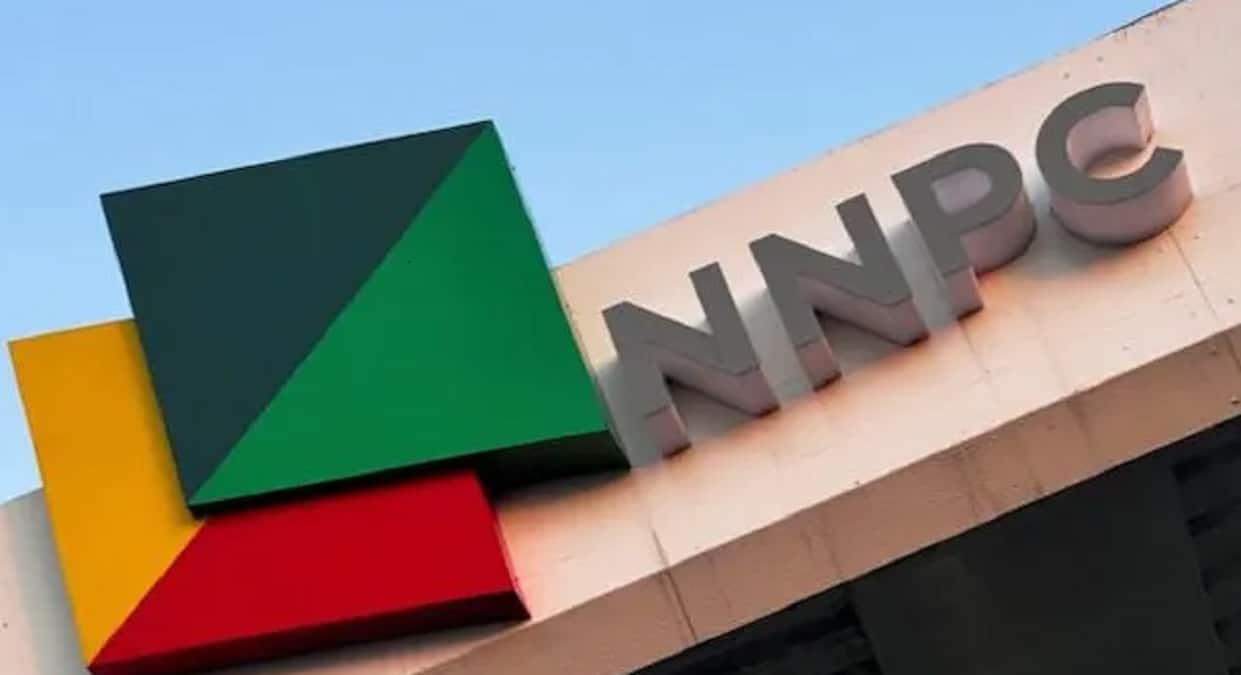
The Nigerian National Petroleum Company Limited (NNPC) has raised the retail price of petrol at its filling stations to ₦1,405 per litre, representing a ₦35 increase from the previous price of ₦1,370.
The latest adjustment has attracted attention because it comes amid ongoing discussions by the Federal Government over measures aimed at reducing the impact of rising petrol prices on Nigerians.
The new rate has reportedly been implemented at NNPC filling stations nationwide. Some station attendants said they were informed about the change before the revised price became effective.
As of the time of reporting, NNPC had not publicly stated the reason for the latest increase.
The development also comes shortly after Finance Minister and Coordinating Minister of the Economy, Taiwo Oyedele, announced the government’s proposal for a fixed petrol gantry price of ₦1,375 per litre.
The proposed arrangement has prompted questions about how the government’s planned intervention would affect the price motorists ultimately pay at filling stations.
With NNPC now selling petrol at ₦1,405 per litre, its retail price is ₦30 above the proposed ₦1,375 gantry rate.
However, the two figures represent different points in the fuel supply chain. A gantry price relates to the cost of petrol supplied from a depot or loading facility, while the pump price is the amount paid by consumers at retail stations.
Consequently, the proposed gantry rate would not necessarily mean motorists would purchase petrol at exactly ₦1,375 per litre, as transportation, distribution and other operational expenses can contribute to the final retail price.
The latest increase has also renewed debate over the Federal Government’s temporary fuel-price intervention and whether such measures could amount to a return of petrol subsidies.
The government has, however, maintained that its proposed intervention should not be regarded as a reinstatement of the former fuel subsidy regime.
The controversy comes as Nigeria continues to grapple with the effects of elevated petrol prices and broader cost-of-living pressures, with the government seeking ways to provide temporary relief without reversing its downstream petroleum-sector reforms.