Distributed solar energy could play a major role in helping Nigeria provide electricity access to more than 70 million people currently without power, the Technical Lead for Mission 300 in Nigeria, Dayo Olowoniyi, has said.
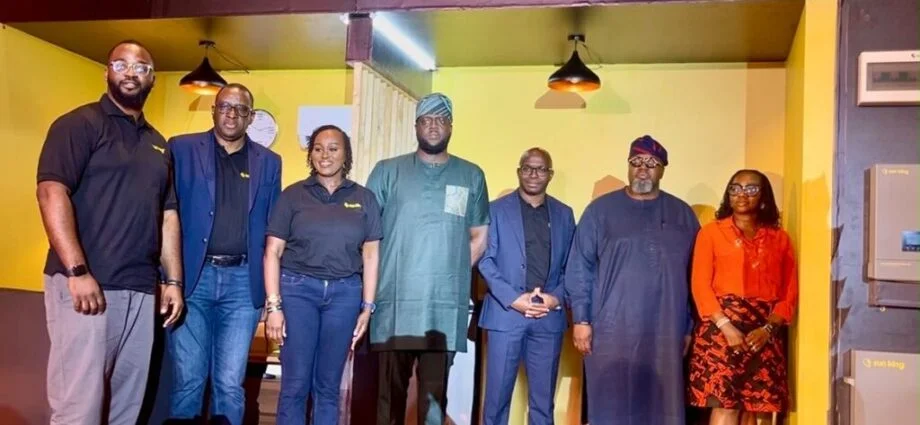
Olowoniyi made the statement during a renewable energy product launch organised by Sun King at the Lagos Marriott Hotel, Ikeja.
According to him, distributed solar remains one of the quickest ways to extend electricity services to communities that are underserved by the national grid.
Nigeria Records More Than Five Million Off-Grid Connections
Olowoniyi said Nigeria recorded more than five million new off-grid electricity connections between 2025 and 2026, highlighting the growing contribution of renewable energy to the country’s power sector.
He explained that the expansion of distributed solar could help accelerate electricity access, particularly in rural and low-income communities where extending conventional grid infrastructure may be difficult or costly.
He also pointed to the Federal Government’s DARES programme, implemented by the Rural Electrification Agency (REA), as an important intervention supporting renewable energy deployment.
The programme, backed by $750 million from the World Bank, provides capital subsidies to renewable energy companies to reduce the cost of solar solutions and encourage wider deployment.
Government Cannot Solve Electricity Gap Alone
The Mission 300 technical lead stressed that the Federal Government cannot close Nigeria’s electricity access gap by itself.
He called for stronger participation from state governments and private-sector operators, saying increased collaboration would be necessary to sustain the pace of new electricity connections.
Mission 300, an initiative aimed at connecting more than 300 million Africans to electricity, is monitoring progress in Nigeria, including the deployment of solar home systems and equipment designed for productive economic activities.
Olowoniyi added that continued access to financing would be essential for maintaining the momentum of electricity expansion.
Renewable Energy Could Boost Businesses
Also speaking at the event, Titilayo Oshodi, Special Adviser to the Lagos State Governor on Climate Change and Circular Economy, said renewable energy could improve the productivity of micro, small and medium enterprises.
She noted that reliable electricity could help businesses operate equipment such as freezers and other appliances while supporting sectors including education, food preservation, water and sanitation.
Oshodi also advocated financing arrangements that allow households and businesses to pay for renewable energy systems gradually rather than bearing the entire cost upfront.
Solar Demand Continues to Rise
Lisbon Ogunsanmi, Country Business Manager of Sun King Nigeria, said demand for solar products had increased significantly.
According to him, the company’s monthly solar-system sales rose from approximately 3,000 units to about 100,000 units, reflecting increased demand for alternative sources of electricity.
He said Sun King had trained more than 200 installers and operated over 136 shops, supported by after-sales teams across Nigeria.
However, Ogunsanmi identified affordability as one of the biggest barriers preventing some households and businesses from adopting solar technology.
Pay-As-You-Go Model Targets Affordability
Sun King’s Vice President for Pay-As-You-Go Sales, West and Central Africa, Omoyemi Tuga, said the company had introduced a 5KVA Power Hub, which can be expanded to 30KVA, alongside a 210-litre Power Freeze for households and businesses.
He explained that the Power Freeze can operate using solar energy during the day and battery power at night, while the Power Hub can provide electricity for homes, businesses, schools and hospitals.
The company’s EasyBuy financing model allows customers to make an initial payment and spread the remaining cost through weekly or monthly instalments over one to two years, depending on the product.
Tuga said customers could access the 5KVA Power Hub with a down payment starting from ₦340,000.
Collaboration Key to Expanding Electricity Access
Sun King’s Vice President for Global Affairs and Marketing, Catherine Mudachi, said flexible financing was designed to allow small businesses to acquire energy equipment while paying from their business income instead of making a full upfront payment.
She stressed that stronger collaboration between government, private companies and financial institutions would be crucial to expanding affordable and reliable electricity access, particularly for underserved communities.
With millions of Nigerians still lacking reliable electricity, stakeholders say distributed solar could provide an important alternative while efforts to improve conventional grid infrastructure continue.