
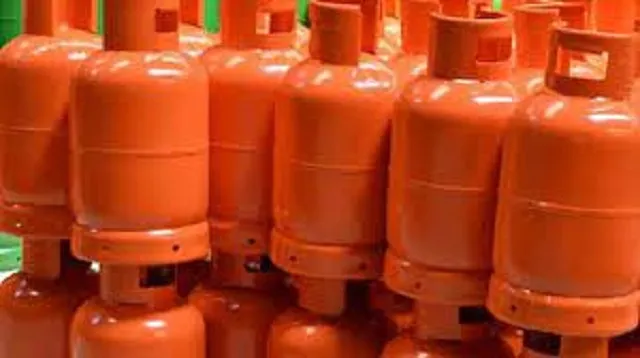
Domestic gas explosions have emerged as a major cause of fatal burn injuries recorded at the University College Hospital (UCH), Ibadan, according to a consultant plastic surgeon at the institution.
Dr Olukayode Iyun, who heads the burns unit at UCH, said the hospital is increasingly treating patients who suffer extensive burns and serious inhalation injuries following domestic gas incidents.
Iyun, a former president of the Nigerian Burn Injuries Society and president-elect of the Pan-African Burn Society, said the development was becoming a significant public health concern as the use of cooking gas continues to increase among Nigerian households.
He clarified that his observation relates specifically to deaths resulting from burn injuries and not necessarily to the overall number of burn cases treated at the hospital.
According to the specialist, UCH now receives serious gas-related burn cases almost every week, with some patients sustaining injuries severe enough to result in death.
He explained that gas explosions inside residential buildings can be particularly devastating because victims may suffer extensive burns while also inhaling hot gases and smoke.
Iyun cited a recent incident involving a family of nine and other occupants of a building. Among those affected were a child, a mother, a grandmother and tenants who lived upstairs.
He said another incident had occurred only weeks earlier, underscoring what he described as the persistent nature of the problem.
The surgeon also raised concerns about the enormous financial burden associated with treating severe burn injuries. He recalled a case discussed at a professional gathering in which the treatment of one patient at a private hospital in Lagos reportedly cost close to N40 million.
He noted that such expenses could place comprehensive treatment beyond the reach of many victims and their families.
Iyun called for an investigation into the factors responsible for the growing number of gas-related incidents. He said authorities need to determine whether the problem is connected to defective cylinders, inadequate safety standards, poor installation, gas quality or improper handling by consumers.
He particularly expressed concern over the use of portable “camp” gas cylinders within homes, warning that positioning cylinders too close to cooking areas could expose occupants to serious danger if an explosion occurs.
The specialist urged regulatory agencies to intensify enforcement of existing safety requirements and ensure that gas cylinders and related equipment meet approved standards.
He advised consumers to purchase gas equipment from certified sources and to immediately repair or replace defective cylinders rather than continuing to use them.
Iyun also recommended safer gas installations, including arrangements that keep the gas source at a safer distance from points where ignition occurs.
While gas explosions are becoming a major concern, he noted that UCH also treats burns resulting from other causes, including scalding, domestic fires, road crashes and attempts to burn refuse using flammable substances.
He said scald injuries are particularly common among young children, especially those below five years of age.
The surgeon recalled an incident involving a child who used petrol to start a fire and subsequently became engulfed in flames.
With cooking gas becoming increasingly common in Nigerian homes, Iyun stressed that preventing further deaths requires coordinated action involving government agencies, regulators, gas suppliers and consumers.
He urged authorities to move beyond simply establishing safety regulations and ensure that the rules are effectively implemented.
Households, he added, should use approved gas equipment, promptly address faults and ensure that cylinders and cooking installations are positioned as safely as possible.