

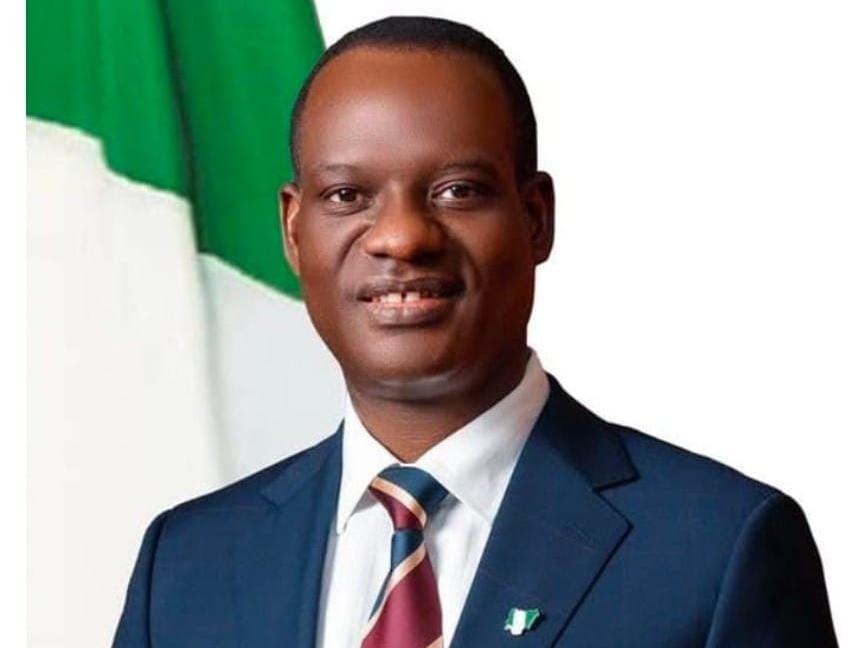
Nigeria generated N15.8 trillion in savings from the removal of petrol subsidies between June 2023 and December 2025, Minister of Finance and Coordinating Minister of the Economy, Taiwo Oyedele, has disclosed.
Oyedele made the disclosure on Wednesday while presenting the Federal Government’s scorecard on its economic reforms between 2023 and 2026.
According to the minister, the subsidy removal created N15.8 trillion in additional resources for the federation during the period under review.
FG received N5.4trn from subsidy savings
Oyedele explained that the Federal Government’s share of the savings stood at N5.4 trillion, while state and local governments collectively received N10.4 trillion.
He added that the Federal Government generated another N3.1 trillion through incremental independent revenue, largely from remittances by government-owned entities.
When combined with additional borrowing, the Federal Government’s total incremental resources during the period amounted to N20.4 trillion, he said.
Government records N30.64trn additional spending
Despite the additional resources generated, Oyedele said government expenditure increased considerably during the same period.
The Federal Government recorded N30.64 trillion in incremental expenditure, with a significant portion going towards workers’ wages, debt servicing and infrastructure.
According to the minister, N9.39 trillion was spent on wage adjustments, minimum wage increases and allowances for public servants.
Another N9.37 trillion went towards servicing external debt, while N6.5 trillion was allocated to strategic infrastructure projects.
Naira depreciation raises debt servicing costs
Oyedele attributed the increase in the naira cost of external debt servicing largely to the depreciation of the local currency.
He explained that although the dollar value of the country’s external debt obligations may remain unchanged, the government now requires significantly more naira to meet those payments.
The minister stressed that debt obligations must be serviced when due, warning that delays or defaults could have serious consequences for the country.
Wage spending exceeds FG’s subsidy savings
Oyedele also disclosed that the Federal Government’s increased spending on workers’ wages was higher than the entire amount it received from petrol subsidy savings.
He said the reforms were not introduced simply to increase government revenue. Rather, the objective was to address what the administration described as longstanding distortions and corruption associated with the petrol subsidy and foreign exchange systems.
The figures provide fresh insight into how the government says resources created by the removal of the petrol subsidy have been distributed and spent since the policy was introduced in 2023.