
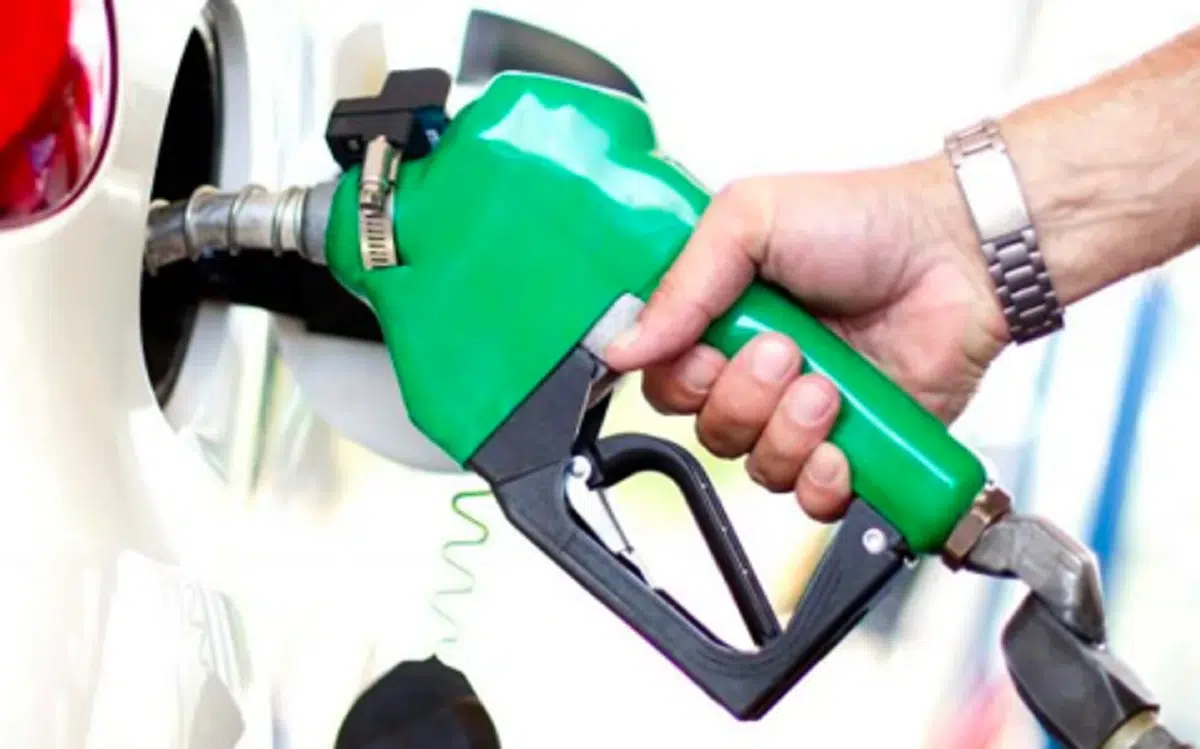
Nigerians are increasingly seeking greater transparency over the factors driving petrol prices as pump costs continue to rise across the country.
The latest concerns come amid a deregulated downstream petroleum market, where petrol prices are determined largely by market conditions rather than being fixed by the government. Recent retail prices in major cities have climbed above ₦1,400 per litre, adding to concerns over the impact on households, transport operators and businesses.
A major development in the recent price movement has been the increase in the gantry price of petrol produced by the Dangote Petroleum Refinery. Between August 21 and September 12, the refinery reportedly adjusted its gantry price four times, moving from ₦1,165 to ₦1,350 per litre.
At the retail level, petrol prices in Abuja, Lagos and Ibadan were reported to be between ₦1,400 and ₦1,450 per litre by mid-September.
Industry figures also show that the cost of petrol is influenced by several components, including crude oil acquisition, refining, transportation, logistics, exchange-rate movements and other supply-chain expenses.
The Major Energy Marketers Association of Nigeria estimated petrol’s landing cost at ₦1,311.36 per litre on September 8, while the Dangote refinery’s gantry price was ₦1,265 before subsequently increasing to ₦1,350.
The differences between these figures have raised questions about how various costs and margins contribute to the final price paid by consumers.
Crude Supply Challenges
Another factor affecting the downstream market is the availability of crude oil for domestic refineries.
Data from the Nigerian Upstream Petroleum Regulatory Commission indicated that 61.9 million barrels of crude were allocated to domestic refineries during the early part of 2026, but only 28.5 million barrels were reportedly delivered.
Differences between crude producers and refiners under the willing-buyer, willing-seller arrangement have been identified as one of the factors contributing to the supply gap.
When refineries are unable to obtain sufficient domestic crude, they may have to source alternative supplies or operate below capacity, potentially increasing production and supply costs.
The Nigerian Midstream and Downstream Petroleum Regulatory Authority has also identified crude sourcing, logistics, transportation and the time between crude procurement and delivery to refineries among factors affecting petrol prices.
What Deregulation Means
Under Nigeria’s deregulated petrol market, the government no longer directly fixes the pump price. Instead, prices can move in response to changes in crude oil prices, exchange rates, supply levels, refining costs, transportation expenses and competition among suppliers.
The NMDPRA has said petrol prices are subject to market volatility because of these factors.
However, deregulation does not remove the role of regulators. Authorities are still expected to promote competition, protect consumers and ensure that market participants comply with relevant regulations.
The Federal Competition and Consumer Protection Commission has previously raised concerns over the relationship between global crude price movements and domestic petrol prices, particularly when reductions in international crude prices are not immediately reflected at the retail level.
Nigerians Seek Clearer Pricing Information
The continuing increases have renewed calls for greater transparency in the petroleum supply chain.
Consumers want clearer information on the cost of crude, refining, transportation, distribution and other charges that ultimately determine the price paid at filling stations.
With petrol now costing more than ₦1,400 per litre in several major markets, changes in fuel prices have implications beyond motorists. Higher petrol costs can increase transportation expenses and raise operating costs for businesses that rely on petrol-powered generators.
The situation also places additional pressure on households already dealing with higher living and transportation costs.
For the market to operate effectively, greater clarity around price formation could help consumers understand why pump prices rise or fall and how changes in international and domestic market conditions are reflected at filling stations.
As Nigeria’s downstream petroleum sector continues to adjust to deregulation and expanding domestic refining capacity, the relationship between crude supply, refinery output, competition and retail pricing is likely to remain a major issue for consumers and industry stakeholders.