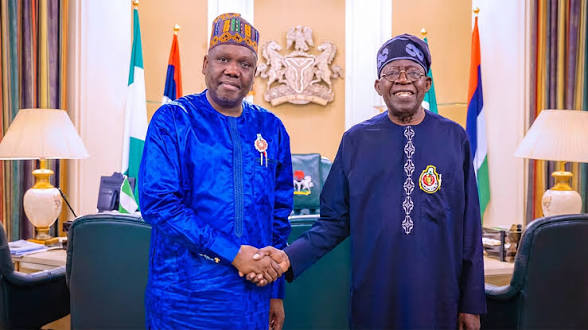
Daniel Bwala, Special Adviser to President Bola Tinubu on Policy Communication, has acknowledged that the Federal Government’s economic reforms have pushed more Nigerians into poverty, while insisting that the country has recorded progress since the policies were introduced.
Bwala made the admission during an appearance on Channels Television’s Politics Today, where he defended the administration’s economic decisions and responded to criticism of their effects on citizens.
He attributed the rise in poverty to the difficulties associated with major economic adjustments, arguing that significant reforms often create hardship before their anticipated benefits become evident.
According to him, the increase in the number of Nigerians experiencing poverty cannot be considered separately from the government’s efforts to restructure the economy.
“More people went down to poverty, acknowledged,” Bwala said, while maintaining that the administration had made considerable progress since implementing the reforms.
Bwala Defends Tinubu’s Economic Policies
The presidential aide identified the removal of the petrol subsidy and changes to the foreign exchange market as major components of the administration’s economic reform programme.
The policies, introduced after Tinubu assumed office in May 2023, have generated widespread debate over their impact on household incomes, transportation costs, food prices and business operations.
Bwala argued that the government had undertaken difficult decisions that previous administrations were reluctant to implement because of the potential political and economic consequences.
He maintained that the country needed structural changes to address longstanding economic challenges, adding that the resulting discomfort did not necessarily mean the reforms had failed.
The presidential aide urged critics to consider what he described as the progress recorded since the measures were introduced, even as he acknowledged that many Nigerians continued to experience financial difficulties.
Government Highlights Gains From Reforms
While admitting that poverty had increased, Bwala insisted that the administration had achieved progress in implementing its economic programme.
The Federal Government has repeatedly defended the reforms as necessary to address economic distortions, improve public revenue and create conditions for long-term growth.
President Tinubu has also pointed to improvements in selected economic indicators, including government revenue and foreign exchange conditions, as evidence of progress.
However, improvements in macroeconomic indicators do not automatically translate into immediate relief for households dealing with high food prices, rising transportation expenses and reduced purchasing power.
The extent to which the reforms improve living standards remains a major issue in the national economic debate.
Poverty Remains a Major Challenge
Bwala’s comments have renewed attention to the hardship experienced by households since the introduction of the reforms.
The removal of the petrol subsidy increased fuel costs, affecting transportation and the movement of goods. Changes to the foreign exchange market have also influenced the cost of imported products and production inputs.
These pressures have contributed to concerns among Nigerians about affordability, household welfare and the ability of businesses to sustain operations.
Although the government maintains that the reforms are necessary for economic recovery, critics have questioned whether sufficient measures have been implemented to protect vulnerable citizens from their immediate effects.
The debate has increasingly focused on how economic gains can be translated into improved incomes, employment opportunities and access to essential goods and services.
2027 Election Debate Intensifies
Bwala’s admission comes as political parties and public officials intensify discussions ahead of the 2027 general elections.
During the same television appearance, the presidential aide expressed confidence that Tinubu would perform better in the next presidential election than he did in 2023.
He argued that the administration’s record and developments in the political landscape would influence the forthcoming contest.
However, the continuing debate over poverty, the cost of living and the impact of economic reforms is likely to remain an important subject of public discussion as preparations for the elections advance.
For the Tinubu administration, a key challenge will be demonstrating that the reforms can deliver tangible improvements in the living conditions of Nigerians.
Bwala’s remarks acknowledge the hardship associated with the government’s policies while maintaining that progress has been made, reflecting the continuing disagreement over the immediate costs and longer-term objectives of Nigeria’s economic restructuring.