

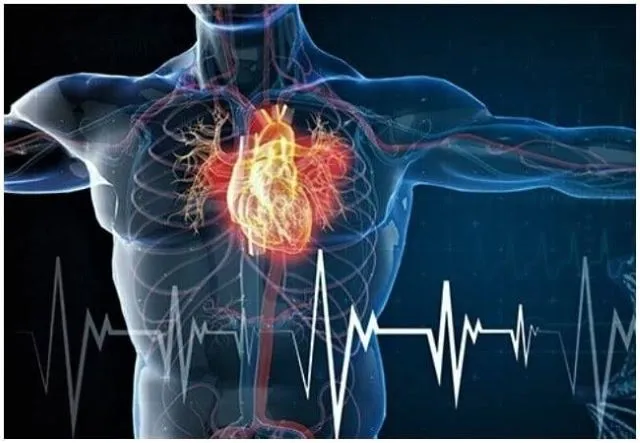
Health experts have warned that high cholesterol can gradually damage blood vessels and raise the risk of heart attacks and strokes, even when affected individuals show no obvious symptoms.
They explained that excessive levels of low-density lipoprotein (LDL), commonly known as “bad” cholesterol, can accumulate along artery walls and form fatty deposits called plaques. As these deposits grow, they can narrow blood vessels and restrict the flow of blood to vital organs.
According to the experts, a plaque may rupture and trigger the formation of a blood clot, potentially blocking blood supply to the heart or brain and causing a heart attack or stroke.
Why High Cholesterol Can Be Dangerous
Public health physician Dr Rotimi Adesanya, Director of Medical Services at the Federal College of Education (Technical), Akoka, Lagos, said high cholesterol could contribute to coronary heart disease and other cardiovascular complications.
He explained that when fatty deposits obstruct blood vessels supplying the brain, the resulting reduction in blood flow could lead to a stroke.
Adesanya noted that high cholesterol often develops without noticeable symptoms, meaning people may remain unaware of their condition until complications arise.
He advised people to discuss cholesterol testing with healthcare professionals. A lipid profile blood test can help determine cholesterol levels and guide decisions about treatment.
The physician also explained that people living with conditions such as hypertension and diabetes may require closer monitoring because of their increased risk of cardiovascular disease.
High Cholesterol and Nigeria’s Health Burden
A systematic review and meta-analysis published in the journal Public Health in 2020 estimated that high cholesterol affected approximately 38 per cent of participants across 13 Nigerian studies involving 16,981 people.
The review also estimated that the number of Nigerians aged 20 and above living with high cholesterol increased from 8.2 million in 1995 to 21.9 million in 2015.
The figures highlight concerns about the burden of cardiovascular risk factors and the importance of preventive healthcare.
Other Complications
Olusola Malomo, Assistant Director of Dietetics at the Lagos State Health Service Commission’s General Hospital, Badagry, identified heart attacks, strokes and peripheral arterial disease among the potential complications of persistently high cholesterol.
He explained that cholesterol deposits could gradually narrow arteries, reducing the amount of blood reaching organs and other parts of the body.
When arteries supplying the limbs become affected, individuals may experience pain while walking and slow wound healing. Severe cases can result in tissue damage and, in extreme circumstances, amputation.
Malomo stressed that feeling healthy does not necessarily mean a person has normal cholesterol levels, as the condition may remain undetected for years.
Prevention and Management
The experts recommended regular physical activity, a balanced diet and appropriate medical screening as important steps in reducing cardiovascular risk.
They advised people to limit foods high in unhealthy fats, including excessive fried foods, fatty and processed meats, and certain pastries. They also encouraged greater consumption of vegetables, fruits, beans, whole grains and fish.
Smoking cessation and maintaining an active lifestyle were identified as additional measures that can support cardiovascular health.
For people diagnosed with high cholesterol, treatment depends on their cholesterol levels, medical history and overall risk of heart disease or stroke. Some may benefit from lifestyle changes alone, while others may require prescribed cholesterol-lowering medication, including statins.
The experts cautioned patients against stopping prescribed medication simply because they feel well, emphasising that treatment changes should be discussed with a qualified healthcare professional.
They urged Nigerians to take preventive screening seriously and seek medical guidance to identify and manage high cholesterol before it leads to serious complications.


