
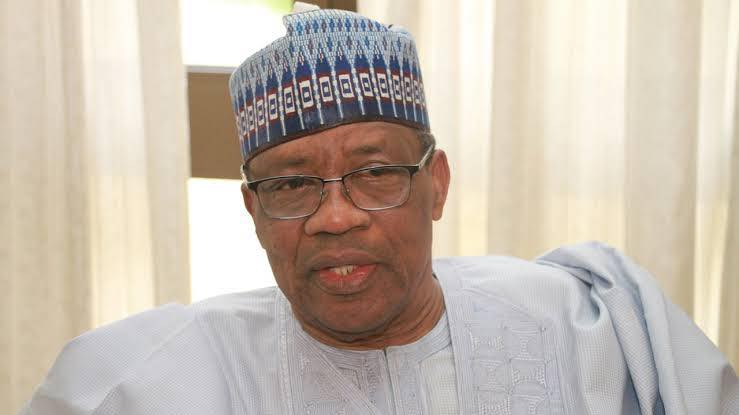
Former military President Ibrahim Badamasi Babangida’s autobiography, A Journey in Service, has reignited discussions about Nigeria’s political history, military rule and the controversies that surrounded his years in power.
In a review of the book, journalist and columnist Lasisi Olagunju examines Babangida’s account of his time in government while questioning whether the memoir adequately resolves some of the major controversies associated with his administration.
The book, which runs to more than 400 pages, provides Babangida’s account of major events during his years as Nigeria’s military ruler. Among the issues discussed are the June 12, 1993 presidential election, the Structural Adjustment Programme (SAP), the death of journalist Dele Giwa, the Mamman Vatsa coup case, the C-130 military plane crash, the Gideon Orkar coup and Nigeria’s controversial oil revenues.
Olagunju argues that the memoir represents Babangida’s attempt to explain some of the most disputed decisions and events of his administration.
Babangida’s Years in Power Remain Controversial
Babangida ruled Nigeria from 1985 until his resignation in August 1993, a period marked by significant political and economic changes.
His government introduced the Structural Adjustment Programme, pursued a lengthy transition towards civilian rule and eventually organised the June 12, 1993 presidential election.
However, the annulment of that election remains one of the most controversial episodes in Nigeria’s political history.
The election, widely believed to have been won by businessman and politician Moshood Kashimawo Olawale Abiola, was annulled by Babangida’s administration, triggering widespread political unrest and protests.
In his memoir, Babangida reportedly accepts responsibility for the annulment while also providing his explanation of the circumstances that led to the decision.
June 12 Controversy Takes Centre Stage
One of the major issues examined in the review is Babangida’s account of the events surrounding the June 12 election.
Olagunju compares Babangida’s narrative with the account provided by the late Professor Omo Omoruyi, one of the figures involved in the transition programme.
According to the review, Omoruyi’s earlier writings presented a critical account of the political developments surrounding the election and its eventual annulment.
The contrasting accounts highlight the continuing disagreement over what happened behind the scenes before and after the election.
Babangida’s memoir also discusses his relationship with the late General Sani Abacha, who later became military Head of State after the collapse of the Interim National Government headed by Ernest Shonekan.
Corruption and the Question of Accountability
The broader debate surrounding Babangida’s era also includes questions about the management of Nigeria’s public resources.
Critics of the military administration have long raised concerns about corruption, accountability and the handling of the country’s oil wealth during the period.
The review points to the Gulf oil windfall among the issues examined in Babangida’s memoir, alongside several political and security controversies.
However, the article is primarily a commentary on Babangida’s memoir, rather than a new corruption investigation or a report establishing that Babangida personally committed a specific financial crime.
The distinction is important because several of the claims and interpretations surrounding Nigeria’s military era remain subjects of historical and political debate.
Babangida Attempts to Explain His Legacy
According to Olagunju, A Journey in Service appears designed to provide Babangida’s perspective on the major events that shaped his political career.
The memoir covers his rise through the military, his relationships with other senior officers and the major decisions taken during his administration.
The book also attempts to explain some of the decisions that have continued to shape public perception of Babangida decades after he left office.
For supporters, the memoir offers an opportunity to understand the pressures faced by the military government at the time.
For critics, however, the book raises further questions about responsibility and accountability for decisions made during the Babangida years.
Nigeria’s Unresolved Political History
The debate over Babangida’s legacy reflects a broader challenge in Nigeria: how the country should remember and assess its military past.
Issues surrounding June 12, political repression, economic policies, corruption allegations and the transition to democracy continue to influence discussions about Nigeria’s political development.
Babangida’s autobiography therefore provides another important source for examining that period, while also inviting readers to compare his account with those of other participants and historians.
Ultimately, the continuing debate demonstrates that many questions surrounding Nigeria’s military era remain deeply contested.


