


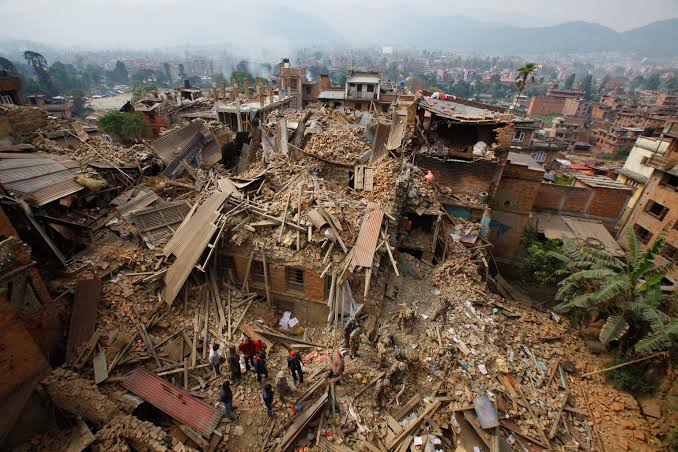
The devastating flash floods that struck Nepal and Tibet have claimed at least 469 lives, while more than 1,300 people remain unaccounted for as rescue teams continue searching through the affected areas.
The disaster, which struck the Himalayan region, swept through communities with powerful torrents of water, mud and debris, destroying homes, roads and bridges and leaving families searching desperately for missing relatives.
Nepal has recorded the majority of the confirmed deaths, while authorities in Tibet have also reported fatalities and hundreds of missing people. Officials have warned that the exact number of victims could change as search and recovery operations continue.
The floods were linked to a major glacial collapse in the Himalayan region. The sudden release of water and debris sent a destructive surge through downstream communities, giving residents little time to escape.
Several areas have suffered severe infrastructure damage, with roads and bridges washed away by the floodwaters. The destruction has made it difficult for rescue workers to reach some of the worst-hit locations and has complicated efforts to account for people who remain missing.
Among those unaccounted for are hundreds of foreign nationals, including tourists and pilgrims from several countries who were in the region when the disaster struck.
Rescue operations have also faced another major threat after floodwaters and debris created a lake near the Nepal-China border. Authorities have been monitoring the rising water because a possible breach could trigger another dangerous surge downstream.
Rescue teams are continuing to search damaged communities, while authorities work to evacuate people from areas considered vulnerable to additional flooding.
The scale of the destruction remains unclear as officials gather information from remote areas. With more than 1,300 people still missing, the death toll could rise further as search teams recover more victims and establish the whereabouts of those who remain unaccounted for.
The disaster has left widespread destruction across parts of Nepal and Tibet, with displaced residents, damaged infrastructure and grieving families facing a difficult recovery process.