
Nigeria’s growing tendency to seek answers to its most sensitive political and legal questions from foreign institutions has raised an uncomfortable issue: how much confidence do Nigerians truly have in their own institutions?
As Africa’s most populous country and one of its most influential political and economic powers, Nigeria is expected to possess institutions capable of addressing its internal challenges. Yet, whenever major political disputes, corruption allegations or electoral controversies emerge, attention often shifts beyond the country’s borders.
Some Nigerians turn to Washington for answers. Others look to the United Kingdom, foreign courts or international law-enforcement agencies for information that could influence domestic political debates.
This growing trend raises a fundamental question: who ultimately determines Nigeria’s political direction — Abuja, Washington or London?
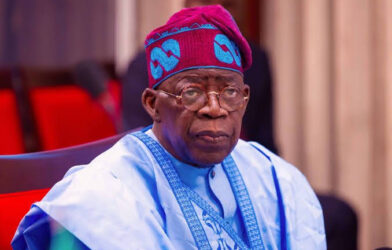
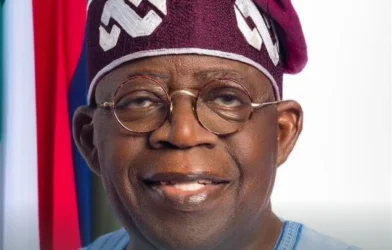
The issue has become particularly prominent amid calls by opposition figures, including former Vice President Atiku Abubakar, for the United States Federal Bureau of Investigation (FBI) to release records reportedly connected to President Bola Ahmed Tinubu.
Similarly, Nigerian music star Davido appealed to US President Donald Trump and the international community in August 2026 to monitor the Osun State governorship election and help protect voters from possible intimidation.
Seeking information from foreign institutions is not inherently wrong. Where financial transactions, criminal investigations, assets or suspects cross international borders, cooperation between countries is both legitimate and necessary.
Foreign records can also provide information relevant to public accountability, particularly when allegations involve activities spanning different jurisdictions.
The concern, however, begins when international cooperation gradually turns into dependence.
Cooperation or Dependence?
There is an important difference between asking another country for assistance and believing that Nigeria cannot establish the truth without foreign intervention.
For example, if Nigerian investigators need information held by an American agency because part of an investigation crosses into US jurisdiction, requesting that information represents normal international cooperation.
But if Nigerians begin to believe that a matter cannot be considered credible until an American or British institution confirms it, then the country faces a deeper institutional problem.
Cooperation can strengthen sovereignty, while dependence can weaken it.
A confident Nigerian state should be able to investigate allegations within its jurisdiction, follow due process and establish facts independently while requesting assistance from foreign partners where necessary.
The question Nigerians should therefore ask is not whether foreign governments should provide information. Rather, it is whether Nigeria’s own institutions command enough public confidence to properly examine and act on that information when it becomes available.
Can Nigeria Trust Its Own Institutions?
Nigeria already has institutions responsible for investigating corruption, financial crimes and violations of public accountability.
These include the Economic and Financial Crimes Commission, Independent Corrupt Practices and Other Related Offences Commission, Nigeria Financial Intelligence Unit, police, courts, Code of Conduct Bureau and the National Assembly.
Yet public confidence in many of these institutions remains a major challenge.
When citizens believe investigations may be influenced by political interests, when prosecutions appear selective or when powerful individuals appear difficult to hold accountable, people naturally begin searching for alternative avenues of justice.
That is why the attraction of foreign intervention cannot simply be dismissed.
The solution, however, is not to discourage Nigerians from seeking information abroad. Instead, Nigeria must strengthen its institutions to the point where citizens can reasonably expect the truth to be investigated regardless of the status or political connections of the people involved.
Democracy Cannot Be Outsourced
Foreign records could potentially influence public debates, but they cannot determine who governs Nigeria.
The FBI is an American law-enforcement agency. It does not conduct Nigerian elections, select Nigeria’s political leaders or determine the country’s constitutional future.
Likewise, the White House cannot substitute for Nigeria’s electoral institutions, while foreign courts cannot replace Nigeria’s judicial system.
Ultimately, Nigerian voters remain responsible for choosing their leaders.
If credible information emerges from abroad, it should be examined, tested and subjected to due process. But the existence or absence of a foreign document should not determine whether Nigerians exercise their democratic responsibilities.
Nigeria’s political future cannot depend entirely on what Washington or London decides to reveal.
Building Institutional Confidence
The deeper issue is therefore not simply foreign influence. It is institutional trust.
Nigeria must demonstrate that its institutions can investigate the powerful as effectively as they investigate ordinary citizens.
They must be capable of examining allegations involving serving officials, politically connected individuals and members of the ruling establishment without fear or favour.
They must also demonstrate that political affiliation does not determine who faces scrutiny and who escapes it.
Nigeria’s sovereignty does not require isolation from the international community. Modern states routinely cooperate on investigations, financial crimes, terrorism, asset recovery and cross-border criminal activities.
True sovereignty means being able to engage foreign partners from a position of institutional strength rather than permanent dependence.
Foreign countries can provide information. They can assist investigations. They can cooperate on transnational crimes.
But they cannot build Nigeria’s institutions for Nigerians.
The FBI cannot fix Nigeria’s economy. Washington cannot conduct Nigeria’s elections. London cannot create accountable leadership for the country.
Those responsibilities ultimately belong to Nigerians.
The real measure of Nigeria’s sovereignty, therefore, is not whether it accepts foreign assistance. It is whether the country can work with the rest of the world without surrendering responsibility for its own affairs.
Nigeria needs credible institutions, confident citizens and a political system capable of confronting its challenges from within while cooperating with the international community when necessary.
The world can assist Nigeria, but the responsibility to govern Nigeria cannot be outsourced.