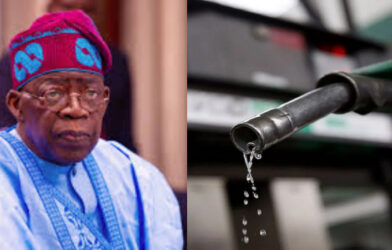
Former Vice-President Atiku Abubakar has criticised the Federal Government’s proposed 30-day petrol discount, describing the intervention as inadequate and selective while renewing his call for a production-based subsidy tied to petrol refined in Nigeria.
The Federal Government recently announced that the Nigerian National Petroleum Company Limited (NNPC) would temporarily sell petrol at cost by waiving its retail profit margin. The measure is intended to cushion consumers against rising global crude oil prices, with public transport operators expected to receive priority.
However, Atiku argued that a one-month discount would provide only temporary relief without resolving the wider economic pressures facing Nigerians, particularly high transport fares and rising food prices.
He questioned what would happen after the 30-day period, insisting that households and businesses would continue to face elevated living costs if the government failed to introduce more sustainable measures.
The former vice-president also faulted the restriction of the discount to NNPC retail outlets, arguing that the government had not adequately explained how much consumers would save per litre or how lower fuel costs would translate into reduced transport fares.
Atiku maintained that his proposed production-based subsidy could offer a more sustainable alternative by supporting petroleum products refined locally, subject to spending limits, budgetary provisions and safeguards to ensure that consumers benefit.
He argued that linking assistance to domestic refining could help moderate petrol prices while supporting local producers, rather than relying on a temporary discount that expires after a month.
The Federal Government, however, has maintained that the initiative is not a return to the former blanket petrol subsidy regime. Finance Minister Taiwo Oyedele said the arrangement would allow NNPC to sell petrol at cost during the initial period, with priority given to public transport operators.
The government has also defended the policy of subsidy removal, arguing that a return to the previous system could place additional pressure on public finances, foreign exchange and economic stability.
Atiku’s criticism has been echoed by other opposition groups, including the Nigeria Democratic Congress, which described the proposed discount as insufficient to address the hardship associated with high fuel prices.
The African Democratic Congress Presidential Campaign Council also condemned the measure, alleging that the timing and limited duration of the relief raised political concerns ahead of the 2027 general elections. These are opposition claims, while the government says the initiative is intended to cushion the impact of global oil-market volatility.
The debate has renewed attention on how Nigeria can balance fuel affordability, support for domestic refining and the long-term management of public spending.
Atiku has continued to advocate a production-linked intervention, arguing that Nigerians need more durable relief from rising living costs rather than a short-term reduction in petrol prices.