Columnist Dr Festus Adedayo has criticised the Federal Government’s 30-day petrol discount, arguing that the intervention offers limited relief to Nigerians struggling with rising fuel prices and the increasing cost of living.
In his opinion article, Adedayo compared the government’s temporary price intervention to a mirage, drawing on the imagery of “devil’s water” in Kenyan writer Ngũgĩ wa Thiong’o’s novel Weep Not, Child. He used the metaphor to suggest that the promised relief could remain out of reach for many struggling households.
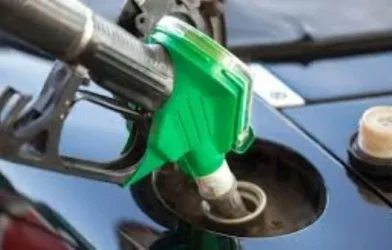
The Federal Government announced that petrol would be sold at ₦1,350 per litre at designated Nigerian National Petroleum Company Limited (NNPC) retail stations during the 30-day intervention. The arrangement involves the company foregoing its retail profit margin, with public transport operators among those prioritised.
Adedayo questioned why the government had introduced the measure only after Nigerians had endured prolonged economic hardship following the removal of petrol subsidies in May 2023.
He argued that the temporary reduction, estimated at ₦60 per litre, was insufficient to address the wider effects of rising fuel costs on transportation, food prices, electricity and small businesses.
According to the columnist, petrol prices have a direct influence on Nigeria’s informal economy, where traders, artisans, transport operators and other small-scale entrepreneurs depend heavily on fuel to sustain their activities.
He noted that higher operating expenses have placed additional pressure on businesses, with some struggling to remain profitable as transportation and energy costs consume a larger share of their earnings.
Adedayo also highlighted the difficulties facing households as staple foods such as rice, beans, bread and garri become increasingly expensive. He argued that families have been forced to adjust their consumption patterns to cope with reduced purchasing power.
The columnist further questioned whether the ₦70,000 national minimum wage could adequately support workers facing high transportation and household expenses. He maintained that improvements in economic indicators would have limited meaning if ordinary Nigerians continued to struggle to meet basic needs.
He also raised concerns about the broader social consequences of prolonged financial hardship, including pressure on family relationships, difficulties accessing medication and the challenges confronting small businesses.
Adedayo described the government’s intervention as a short-term measure that does not resolve the underlying problems associated with fuel pricing and the cost of living.
He argued that Nigerians needed sustainable economic policies capable of easing financial pressure rather than temporary relief that would expire after 30 days.
The article ultimately questioned whether the discount would make a meaningful difference to citizens whose purchasing power has been weakened by years of rising living costs.
Adedayo’s criticism adds to the ongoing public debate over the Federal Government’s fuel-pricing policies and the most effective ways to balance economic reforms with the welfare of citizens.