

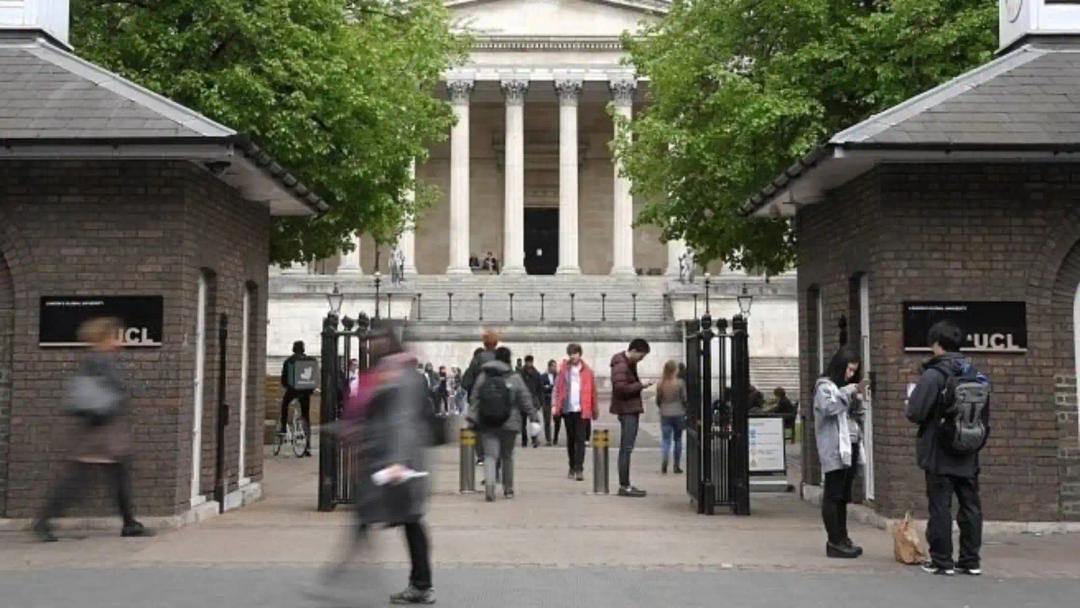
Some universities in the United Kingdom have begun withdrawing admission offers made to Nigerian students as tighter immigration rules and rising student visa refusals create uncertainty for international applicants.
The development follows a sharp increase in withdrawn UK study visa applications during the first half of 2026, prompting universities to reconsider recruitment from countries where applicants are facing greater scrutiny.
According to a report by the Financial Times, 10.5 per cent of UK study visa applications were withdrawn between January and June 2026, compared with 2.3 per cent during the same period in 2025 and 0.4 per cent in 2023.
Nigeria recorded a notable increase, with the proportion of study visa applications withdrawn rising to 22.7 per cent in the first half of 2026, up from 4.5 per cent in the corresponding period last year. <Cite refs={[“turn728188search0″,”turn728188search2”]}/>
The report indicated that universities had withdrawn offers, particularly those made to Nigerian and Pakistani applicants, to reduce the risk of breaching the UK government’s stricter immigration compliance requirements.
Universities Worried About Recruitment Restrictions
The tougher visa environment has raised concerns among British universities that high refusal rates could threaten their licences to recruit students from overseas.
Under rules announced by the UK government in June 2026, universities face stricter compliance requirements, including a student visa refusal threshold of below five per cent in the relevant assessment. Institutions that fail to meet the applicable standards risk sanctions, including restrictions on international recruitment. <Cite refs={[“turn728188search4″,”turn728188search3”]}/>
Data from visa-processing firm Enroly, cited in media reports, suggested that nearly half of UK universities had refusal rates exceeding the five per cent threshold.
To protect their ability to recruit international students, some institutions have reportedly withdrawn admission offers or reduced recruitment activities in countries where visa applications are attracting increased scrutiny.
The situation has created uncertainty for Nigerian students who had received offers and were preparing to begin their studies in the UK.
University Leaders Question Visa Decisions
Some British higher education leaders have criticised the visa process, describing it as increasingly unpredictable and raising concerns about the reasons given for certain refusals.
Jamie Arrowsmith, director of Universities UK International, said the process had become less predictable, with some decisions appearing to rely on inconsistent or subjective assessments.
James Miller, vice-chancellor of the University of the West of Scotland and convener of Universities Scotland, also questioned the reasoning behind some refusals. He said certain decisions appeared questionable and that some institutions had stopped recruiting from particular regions to keep their refusal rates within the required limits. <Cite refs={[“turn728188search2″,”turn728188search0”]}/>
Sir David Bell, vice-chancellor of the University of Sunderland, said the tougher approach had prompted universities to scale back recruitment in some international markets.
University leaders warn that continued uncertainty could affect both prospective students and the institutions that depend on international enrolment for part of their income.


