

Tensions between the United States and Iran have escalated sharply, with both sides exchanging a fresh round of strikes after Iranian forces attacked a commercial vessel in the Strait of Hormuz, one of the world’s most critical oil shipping routes
Iran’s Islamic Revolutionary Guard Corps (IRGC) said it fired on a Cyprus-flagged container ship, the GFS Galaxy, after the vessel attempted to sail through what Tehran called an unapproved route. The ship suffered serious damage to its engine room, forcing the crew to abandon it in lifeboats. Of the 11 Indian nationals on board, 10 were rescued, but one remains missing.
In response, US Central Command carried out its third round of strikes on Iran this week, hitting more than 140 targets including missile and drone sites, communication networks, and coastal surveillance positions. US Secretary of War Pete Hegseth said Iran had made “a poor choice” and would now face consequences.
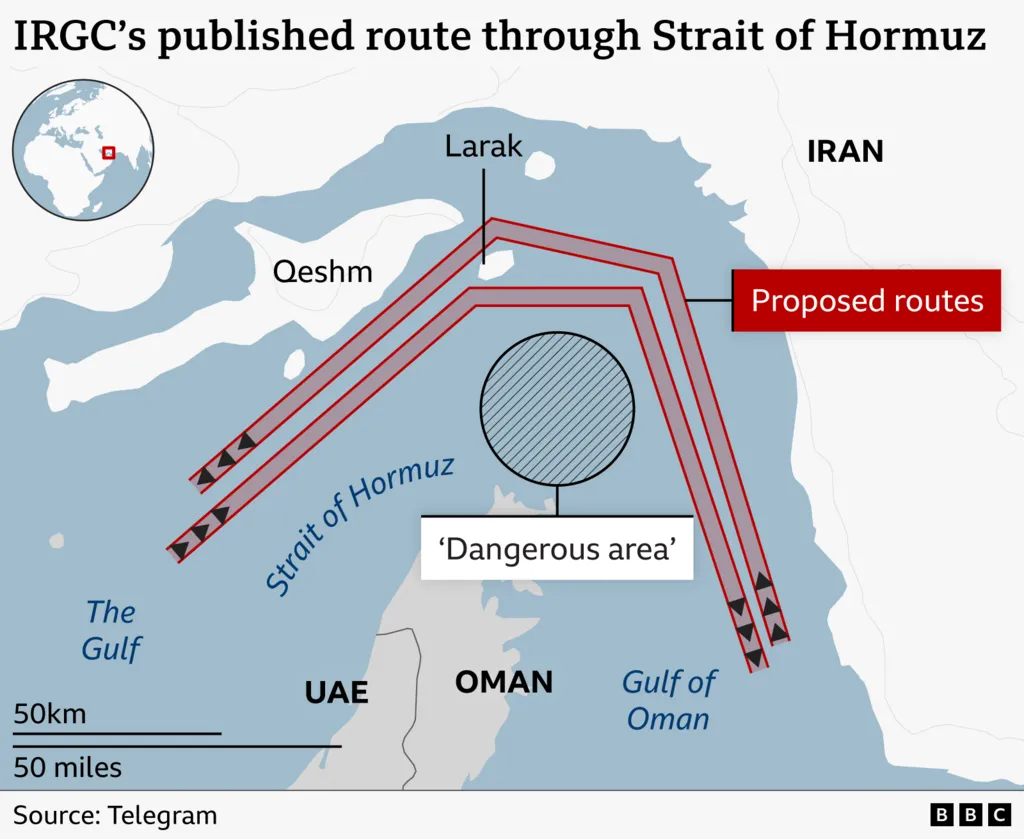
Iran retaliated by declaring the Strait of Hormuz closed “until further notice” and launching missile and drone attacks on US military assets and allied nations across the Gulf, including Jordan, Bahrain, Kuwait, Qatar, Oman, and the UAE. In Qatar, falling shrapnel from intercepted munitions injured three people, including a child. Jordan reported missiles landing on its territory without casualties, while explosions were heard over Doha and warning sirens sounded in Bahrain and the UAE.
Despite Iran’s closure declaration, US officials insist the strait remains open. US Central Command stated that Iran does not control the waterway and that traffic continues to flow, adding that American forces are positioned to protect freedom of navigation. The UK Maritime Trade Operations Centre has similarly said a southern shipping route near Oman remains available, though it has raised the threat level in the region to “severe.”
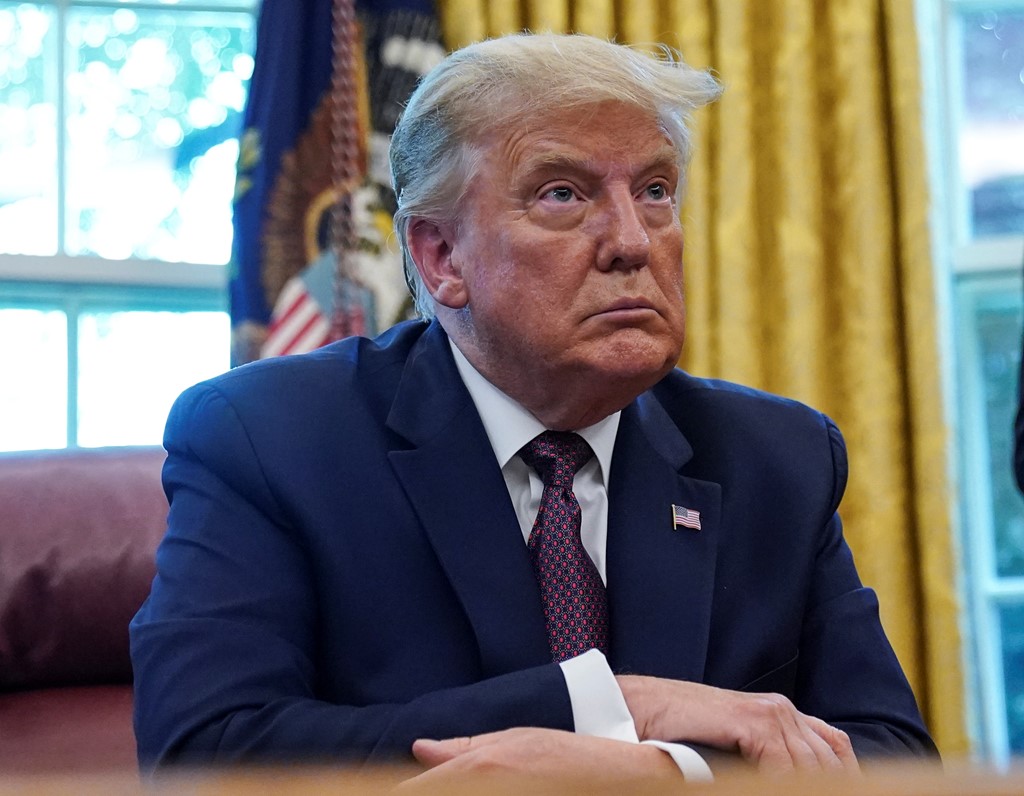
The clashes mark a serious breakdown of a ceasefire and memorandum of understanding reached between the two countries roughly a month ago. US President Donald Trump said Iran had agreed to a deal handing up its nuclear ambitions, only to attack a vessel within an hour of the agreement. He described the strait as open and called Iranian leadership “sick.” Iran’s chief negotiator, Mohammad Bagher Ghalibaf, pushed back sharply, warning that the “era of one-sided deals is over.”
Regional governments, including Pakistan, Qatar, and Oman, have urged restraint and called for renewed diplomacy, while analysts warn the region may be approaching one of its highest-risk points since the ceasefire began, with the fate of ongoing nuclear talks now in serious doubt.
The Strait of Hormuz handles roughly a fifth of the world’s oil and gas trade, meaning prolonged disruption could have significant knock-on effects for global energy markets.