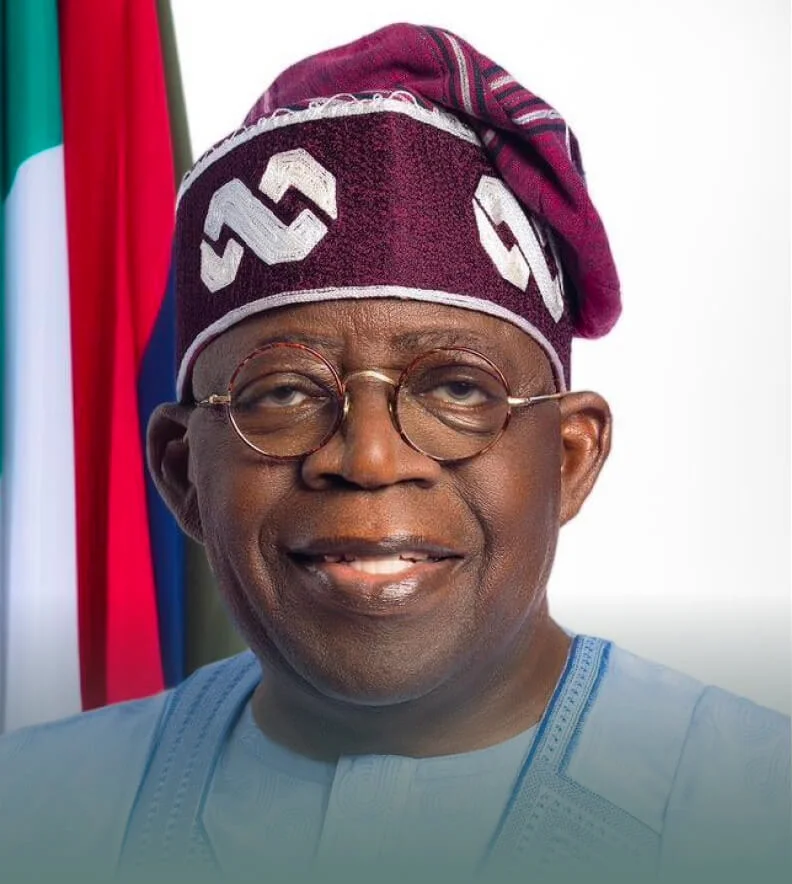
As Nigeria moves closer to the 2027 general elections, President Bola Tinubu’s administration is highlighting its economic reforms, infrastructure investments and social intervention programmes as reasons to sustain its policies beyond the current term.
The administration’s position was presented by the Minister of Information and National Orientation, Mohammed Idris, during an engagement with senior editors in Abuja. The President’s Special Adviser on Information and Strategy, Bayo Onanuga, also defended the government’s policies and called for responsible media coverage.
The officials maintained that the reforms introduced by the administration were beginning to produce measurable results, although they acknowledged that many Nigerians continued to struggle with high living costs and other economic pressures.
Government Points to Improving Economic Indicators
Idris said Nigeria’s economic outlook had improved, citing projected growth of more than four per cent in 2026, a current account surplus of $12 billion in the first half of the year and foreign reserves exceeding $54 billion in September.
He also reported a decline in inflation from approximately 27 per cent in January 2025 to around 15 per cent, alongside improvements in foreign exchange stability and non-oil export earnings.
According to the minister, oil production had also improved, while efforts to curb oil theft were contributing to the country’s economic recovery.
However, the administration acknowledged that stronger economic figures had not yet translated into sufficient relief for every household. Idris said the government’s priority was to convert the gains into more employment opportunities, productive businesses, affordable essential services and improved purchasing power.
The challenge, therefore, remains ensuring that economic recovery is reflected in the daily experiences of ordinary Nigerians.
Infrastructure and Social Investment
The Federal Government has also highlighted investments in roads, railways, ports, electricity, healthcare and education as part of its development agenda.
Idris said four major infrastructure projects covered approximately 3,000 kilometres across the country’s six geopolitical zones. He argued that improved transport networks could connect communities, facilitate trade and reduce the cost of moving agricultural produce to markets.
In agriculture, the administration is pursuing mechanisation, improved access to farm inputs, irrigation and financing to increase domestic food production and support farmers’ earnings.
The minister also pointed to healthcare investments, including the commissioning of five cancer treatment centres, as part of efforts to strengthen access to specialised medical services.
Education financing has featured prominently in the government’s social intervention programmes. Idris said the Nigerian Education Loan Fund (NELFUND) had supported more than 1.6 million students, with over ₦192 billion disbursed for tuition and ₦180 billion provided in upkeep allowances.
Other initiatives highlighted include the Three Million Technical Talent programme, which focuses on digital skills development, and the Presidential Compressed Natural Gas and Electric Vehicle Initiative, designed to encourage alternative transportation and attract investment.
The government has also cited social protection programmes targeting vulnerable households, as well as measures to address pension arrears and outstanding obligations in the power sector.
Security Remains a Major Test
On security, Idris said investments in equipment, intelligence, logistics and coordination had strengthened the capacity of security agencies to confront terrorism, banditry, kidnapping and crude oil theft.
He cited ongoing operations against criminal networks and efforts to rescue abducted victims as evidence of progress.
Nevertheless, the minister acknowledged that significant security challenges remained in parts of the country. He said the administration would continue working to protect communities and improve the safety of Nigerians.
The persistence of insecurity means that the government’s performance in this area will remain an important consideration in assessing its broader record.
Fiscal Federalism and Governance Reforms
The administration has also emphasised measures aimed at strengthening fiscal federalism and improving the financial position of state and local governments.
Idris pointed to increased transfers to subnational governments, efforts to strengthen local government autonomy and proposals for state police as part of the government’s governance agenda.
He also cited a World Bank report indicating that combined state capital expenditure increased by 151 per cent in real terms between 2023 and 2025.
According to the minister, these developments demonstrate the importance of allowing lower tiers of government greater capacity to invest in infrastructure and public services.
The impact of such measures, however, will depend on how effectively public funds are managed and whether the resulting investments improve conditions for residents across the country.
Media Urged to Scrutinise Government Claims
Onanuga urged journalists and editors to verify information before publication, warning that inaccurate reports and misleading headlines could distort public understanding of government policies.
He encouraged media organisations to correct errors and distinguish between different issues, particularly when reporting on fuel prices, energy costs and government interventions.
At the same time, he stressed that accountability should apply to every level of government, reinforcing the media’s responsibility to scrutinise public officials and their decisions.
The administration’s presentation of its achievements comes as political parties prepare for the 2027 elections, when voters will have an opportunity to assess the competing records and proposals of those seeking public office.
Continuity Will Depend on Public Assessment
Supporters of Tinubu’s administration argue that another term would provide an opportunity to consolidate ongoing reforms, complete infrastructure projects and expand the benefits of economic recovery.
They maintain that policies requiring substantial investment and time to produce results should be given an opportunity to mature, particularly in sectors such as transportation, agriculture, education and energy.
However, the argument for continuity will also be measured against the difficulties Nigerians continue to face, including the cost of living, employment challenges, insecurity and access to essential services.
Ultimately, the administration’s record will be judged not only by economic indicators, announced projects or financial commitments but also by their practical impact on households and businesses.
As the 2027 elections approach, voters will have to weigh the progress claimed by the government against unresolved challenges and their expectations for the future.
The debate over continuity will therefore centre on whether the administration can sustain its reforms while delivering more visible improvements in living standards, economic opportunities, security and public services.